Alworawa Farm and Nursery
Alworawa is not one plot doing one thing. It is a small, connected system, where what one part produces becomes the input for another: nursery offcuts feed the compost, compost feeds the food plots, herbal beds protect both, and everything on the farm has to justify its place by contributing to what leaves the gate.
Alworawa Farm and Nursery
Alworawa is not one plot doing one thing. It is a small, connected system, where what one part produces becomes the input for another.
.jpeg)
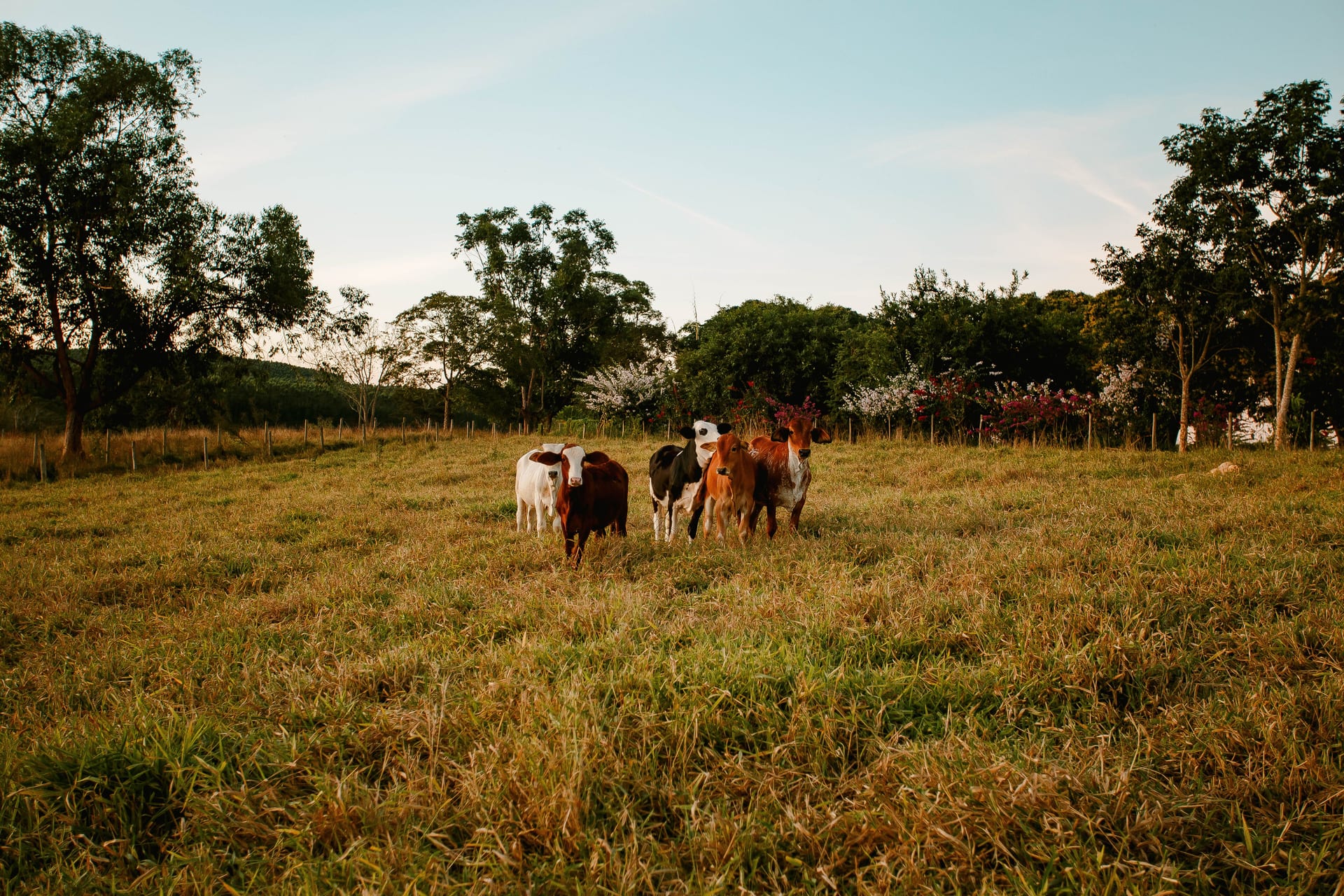
Alworawa Farm
Our home farm on Rusinga Island's shoreline, where fruit, vegetables, and staple crops are grown for direct sale to households, schools, and institutions across the island. This is also where every technique we recommend to other farmers gets tested first, under our own soil, our own water access, and our own dry seasons, before we put our name behind it.
Explore Project →.jpeg)
Native and Fruit Tree Nursery
The engine of Alworawa's restoration work. Here, grafted fruit varieties and hardy indigenous species are propagated from seed, cutting, and scion material, raised through their most vulnerable early months, and prepared for sale with the root systems and hardening-off needed to survive transplanting. Every seedling that leaves this nursery has already cleared the stage where most tree deaths happen, which is exactly why our survival rates hold up once seedlings reach a customer's land.
Explore Project →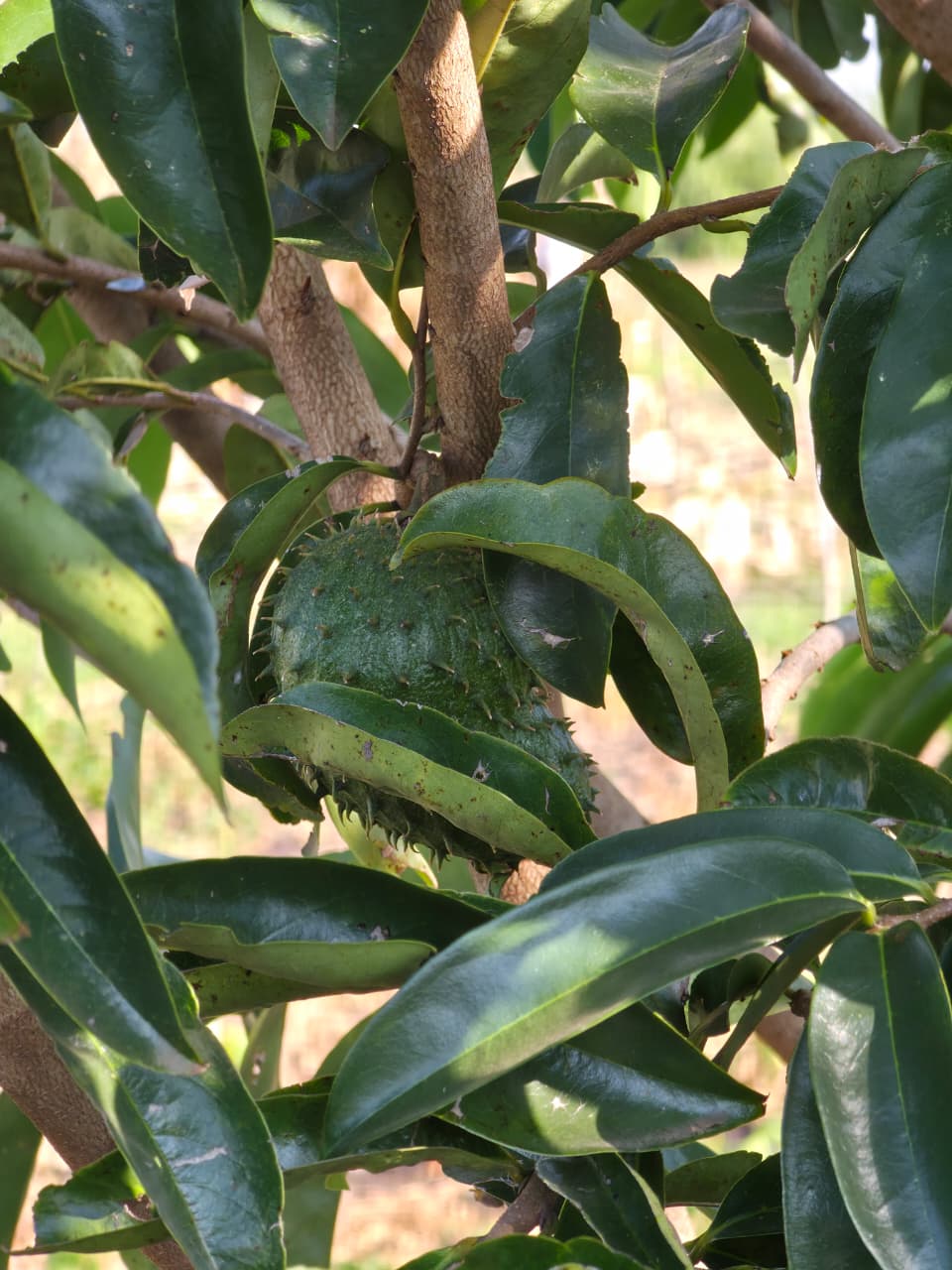
Indigenous Herbal and Botanical Garden
A working bed of local herbs and companion plants, threaded through the farm rather than kept apart from it. These plantings manage pests the way farms on this island managed them long before synthetic pesticides arrived: through scent, companion planting, and habitat for the insects that prey on crop pests, while also restoring a small piece of the island's own plant heritage that farming pressure had crowded out.
Explore Project →.jpeg)
Closed-Loop Composting and Biochar Hub
Nothing produced at Alworawa that can go back into the soil is treated as waste. Crop residue, nursery offcuts, and farm by-products are composted, and where appropriate converted to biochar, then returned to the beds and plots they came from. It is a small piece of infrastructure, but it is what keeps input costs low and soil fertility climbing rather than draining, season after season.
Explore Project →Have farm equipment, tools, seeds, or skills to donate?
Alworawa works with individuals, universities, diaspora networks, and foundations. Check each project's live resource wishlist or visit our dedicated contribution hub to see how you can directly sponsor irrigation lines, solar equipment, tree seedlings, or tools.
Partner with us on school, church, or community greening
We collaborate with local institutions, CBOs, and donor partners to turn bare land into thriving native tree canopies.